The World's Most Comprehensive Prostate Cancer Nutrition Guide
If you have prostate cancer and you haven't changed your diet, you are leaving your most powerful
tool for healing completely untouched.
The food on your plate right now is either accelerating your prostate cancer or working to stop it. There is no neutral.
It doesn’t matter where you are in your prostate cancer journey. Newly diagnosed. On active surveillance. Going through radiation. On hormone therapy. Post-surgery. At every stage, your diet is either working for your recovery or against it. And most men have no idea which one it is.
After this guide, you will know exactly: what to eat, how much, when, how to cook it, what to combine it with, and how to make it genuinely enjoyable, so that every single day you eat, you are getting leaner, protecting your muscle and bone, restoring your gut microbiome, supporting your immune system, maintaining your vitality through treatment, and delivering a measurable clinical effect on your prostate cancer. Backed by 200+ research studies. 100+ prostate-specific recipes. Built by a PhD, and two clinical dietitians.
Founding price ends in
- 00Days
- 00Hours
- 00Min
- 00Sec
24
Clinical chapters
5
Recipe collections
200+
Research studies cited
3
Clinical experts
The gap no one fills for you
Your medical team is managing your disease.
No one is teaching you how to use food as medicine.
Your diagnosis changed everything. Your diet hasn’t. That is the single most common (and most costly) mistake men make after a prostate cancer diagnosis. At every stage of this disease, from the moment you hear the words to years after treatment ends, what you eat every day is either actively supporting your recovery or quietly undermining it. Most men are doing the latter and don’t know it.
Whether you’re on active surveillance, going through radiation, on hormone therapy, or recovering post-treatment. Specific foods are clinically shown to slow PSA progression, inhibit tumor growth, and create an internal environment where prostate cancer cannot thrive. Your oncologist doesn’t have time to tell you which ones. This guide does.
Every treatment for prostate cancer (radiation, ADT, surgery) has nutritional consequences. Muscle loss, bone loss, fatigue, gut disruption, hormonal shifts, weight gain. There is a precise, evidence-based dietary response to every single one of these effects. This guide maps all of them, stage by stage, treatment by treatment.
You’ve searched online. You’ve found keto, vegan, fasting, Mediterranean. None of it prostate-cancer specific, none of it written by anyone who has worked in a cancer care setting. You have a specific disease. You need a resource built for it. Not repurposed general advice hoping it applies to you.
The men who do best with prostate cancer are not the ones who leave their diet to chance. They are the ones who understand PRECISELY how food acts as medicine for their specific diagnosis. That knowledge is available. It is in this guide. The only question is when you start using it.
Built specifically for men with prostate cancer (at diagnosis, through every treatment, and beyond) to heal more completely, reduce side effects, and prevent recurrence.
Built by a PhD Exercise Physiologist, and two Clinical dietitians. Backed by 200+ research studies. Written for the man who refuses to leave his recovery to chance.
This guide covers the full spectrum
Newly diagnosed. Active surveillance. Radiation. Hormone therapy. Post-treatment. This guide was built for all of it.
Every stage of prostate cancer comes with different nutritional demands. This guide addresses all of them, so wherever you are right now, you have the precise dietary guidance you need.
- Newly diagnosed or on active surveillance. Your diet is your treatment now. The decisions you make about your diet right now have a direct, documented effect on how your prostate cancer develops. This guide tells you exactly what to eat to slow progression and create the internal environment that makes it hardest for cancer to grow.
- Going through radiation therapy. Radiation creates specific nutritional demands: gut health, immune support, tissue repair, energy maintenance. This guide addresses every one of them, meal by meal, so your body has everything it needs to tolerate treatment and recover faster.
- On hormone therapy (ADT). ADT changes your body in ways most men are completely unprepared for: fat gain, muscle loss, bone loss, fatigue, metabolic shifts. There is a precise nutritional response to all of it. This guide maps it in full and tells you exactly what to do.
- Post-treatment and focused on recurrence prevention. The dietary patterns associated with reduced prostate cancer recurrence are specific, documented, and different from general healthy eating. This guide gives you the exact plan to protect the ground you've recovered and keep it.
What’s inside
The most comprehensive prostate cancer nutrition resource on the planet.
Four core resources that work together from the moment you open it.
Clinical nutrition chapters
Every chapter addresses a precise question about prostate cancer and food. From macronutrients and fasting to lycopene, methionine, gut health, and supplements. Written by specialists. Backed by primary research.
24
Prostate-specific recipe collections
4 recipe collections designed around every clinical principle in the guide. Foods that are anti-angiogenic, low in methionine, protective for the gut-prostate axis, and genuinely good to eat. Not health food you endure.
5
14-day meal plan
A fully structured two-week eating plan that removes all decision fatigue. Know exactly what to eat every day, right down to portions, preparation methods, and the clinical rationale behind each meal.
14
Research studies cited
Every single recommendation in this guide is grounded in peer-reviewed clinical evidence, and explained in plain, direct language so you understand the science behind your food choices, not just the rules.
200+
Chapter by chapter
24 evidence-based nutrition chapters + 5 recipe collections.
Every one built for your diagnosis and treatments
Each chapter was researched and authored by the relevant specialist on the team, answering the exact questions men with prostate cancer are asking.
01
The right nutrition for prostate cancer
The evidence-based dietary principles that govern every choice in this guide. A clear framework for what your body needs during prostate cancer.
02
Calories and macronutrients: What are they and what must you eat during prostate cancer?
Exact caloric targets, macronutrient ratios, and the body composition strategy for men at every BMI, including how your needs shift on hormone therapy.
03
Macronutrients under the microscope
A clinical deep-dive into protein, fat, and carbohydrate: what each does in a prostate cancer context, how much you need, and where to get it.
04
Easy success
The behavioral and psychological framework for making sustainable dietary change, without deprivation, rigid restriction, or starting over every week.
05
Hydration 101
Why hydration is a clinical priority during prostate cancer treatment, how it affects drug metabolism and recovery, and the precise daily protocol to follow.
06
Fasting and fasting-mimicking diets
What the clinical evidence actually says about intermittent fasting and FMD protocols for prostate cancer, and a safe, step-by-step implementation guide.
07
Keto / low-carb: Is the ketogenic diet effective against prostate cancer really?
An evidence-only assessment of ketogenic diets. Where they help, where they hurt, and why plant-dominant patterns consistently outperform them for prostate cancer outcomes.
08
Methionine: the hidden dietary element affecting prostate cancer growth
The amino acid that directly feeds prostate cancer cell growth, where it hides in your diet, and a precise, practical strategy to reduce it without compromising your nutrition.
09
Estrogen: its effects on prostate cancer and how to manage it using food
Why estrogen matters in prostate cancer, how environmental estrogens accelerate progression, and the dietary interventions that clear them and restore hormonal balance.
10
Soy & phytoestrogens: What effects do they have on prostate cancer and ADT?
The definitive evidence on soy, genistein, daidzein, and lignans. Why most of the warnings are wrong, and which plant estrogens are demonstrably protective.
11
The way you cook your food matters more than you think
How cooking methods determine the bio-availability of cancer-protective compounds. The techniques that amplify their benefit… and the ones that actively feed prostate cancer growth.
12
The gut-prostate axis
One of the most important discoveries in prostate cancer research. How your gut bacteria influence tumor growth, androgen production, and treatment response — and how food changes everything.
13
Glucose, Insulin, and IGF-1: Their role in prostate cancer
Understand how glucose control, insulin, and insulin-like growth factor 1 (IGF-1) relate to prostate cancer biology, and which dietary strategies can improve metabolic health.
14
Foods to eat for stronger bones during ADT
Androgen deprivation therapy (ADT) can put bone health under added pressure. Learn which foods provide the protein, calcium, magnesium, vitamin K, and other nutrients needed to support stronger bones during treatment.
15
Foods to reduce or eliminate that contribute to bone loss during ADT
Identify the foods and dietary habits that can work against bone health during ADT, what deserves limiting, and what to replace those foods with.
16
How to increase calcium absorption from food
Getting enough calcium is only part of the equation. Learn how food choices, vitamin D status, meal composition, and common dietary factors influence how effectively your body absorbs calcium.
17
Tomatoes and lycopene: medicine or marketing?
Clinical trial data on lycopene and PSA. Why supplements fail where food succeeds, how to hit the therapeutic dose daily, and why fat absorption is the critical variable.
18
Eggs: can you eat them or will they feed prostate cancer?
What two large-scale studies found about eggs and prostate cancer mortality. A precise, evidence-based recommendation that lets you keep eggs in your diet without the elevated risk.
19
How to starve prostate cancer of oxygen using food (anti-angiogenesis)
A complete guide to anti-angiogenic foods — every category of plant, spice, seafood, and beverage shown in research to inhibit the new blood vessel formation that tumors depend on.
20
Foods that kill prostate cancer
A direct, evidence-ranked list of the foods with the strongest clinical evidence for inhibiting prostate cancer growth — with the mechanism behind each one explained.
21
List of food choices and quantities for prostate cancer
The complete, evidence-based food guide. What to eat more of, what to moderate, and what to eliminate — organized by food category and backed by primary research.
22
Supplements that help during and beyond prostate cancer
The supplements with genuine clinical evidence for prostate cancer — dosing, timing, quality standards, what to take and what to avoid. Reviewed and approved by the medical doctor on the team.
23
Supplements to support bone health
A practical guide to supplements commonly considered for bone health during prostate cancer treatment, when they may be useful, what requires caution, and what to discuss with your physician.
24
Supplements to avoid during prostate cancer
Some supplements are poorly supported, unnecessary, or can create concerns during cancer treatment. Learn which products deserve extra caution and which questions to take to your oncology team before using them.
25
Breakfast recipes
Simple, satisfying breakfasts built around the nutritional principles taught in the course, with practical ways to increase protein, fiber, plant diversity, and prostate-supportive foods.
26
Lunch & dinner recipes
Practical main meals that turn prostate-cancer-specific nutrition into everyday food, using familiar ingredients, clear portions, and repeatable combinations.
27
Salad & snack recipes
Quick salads and snacks designed to make fiber, plant diversity, healthy fats, and satisfying protein easy to include throughout the day.
28
Soup & stew recipes
Nourishing homemade soups and stews packed with vegetables, herbs, and spices for added prostate cancer-specific health benefits, designed to support fat loss while delivering the comforting, satisfying flavors soup lovers enjoy.
29
Simple & bulk-prepared recipes
Low-effort recipes designed for batch cooking, leftovers, and busy treatment weeks. Cook once, portion ahead, and keep nourishing meals ready when time or energy is limited.
Stop eating for yesterday. Start eating for your recovery.
Every day without this knowledge is a day your most powerful healing tool goes unused. Change that today.
What reclaiming looks like
This is what changes when your body finally gets what it needs.
Nutrition is not peripheral to your prostate cancer treatment. For men on hormone therapy especially, it is one of the most powerful evidence-backed interventions available, and most men never use it.
🔬
PSA stabilization
Dietary interventions shown in clinical trials to slow PSA doubling time and reduce measurable markers of prostate cancer activity.
💪
Muscle and bone reclaimed
ADT destroys muscle and bone. The targeted protein strategy and food choices in this guide directly counter what hormone therapy does to your body.
⚡
Energy restored
Fatigue is one of the most debilitating side effects of cancer treatment. What you eat has a direct, measurable, immediate impact on your daily energy.
🧬
Gut health restored
Prostate cancer consistently disrupts the gut microbiome. This guide gives you the dietary tools to restore balance, while improving treatment response in the process.
🛡
Recurrence prevention
The specific dietary patterns shown to reduce prostate cancer recurrence risk. Know exactly what to keep eating after treatment ends.
⚖️
Hormonal environment shifted
Specific plant compounds and dietary changes that actively shift your hormonal environment, reducing what prostate cancer depends on to grow.
- PhD in Exercise Physiology
- Clinical hospital & oncology experience
- Prostate cancer health coaching
- Support group leader
The team behind this guide
Built by a PhD, and 2 clinical dietitians.
This guide was not written by a wellness blogger. It was built by a team of three clinical specialists, each contributing the depth of their field, all of them working from the same conviction: that men with prostate cancer deserve a definitive nutritional resource. Not more guesswork.
Over 200 peer-reviewed studies were reviewed, evaluated for relevance, and translated into actionable guidance. The recipes and meal plan were developed and reviewed by 2 clinical dietitians.
The result is the most comprehensive prostate-cancer-specific nutrition resource ever made available to patients. Not the most comprehensive resource on the market. The most comprehensive one that exists.
Meet the team
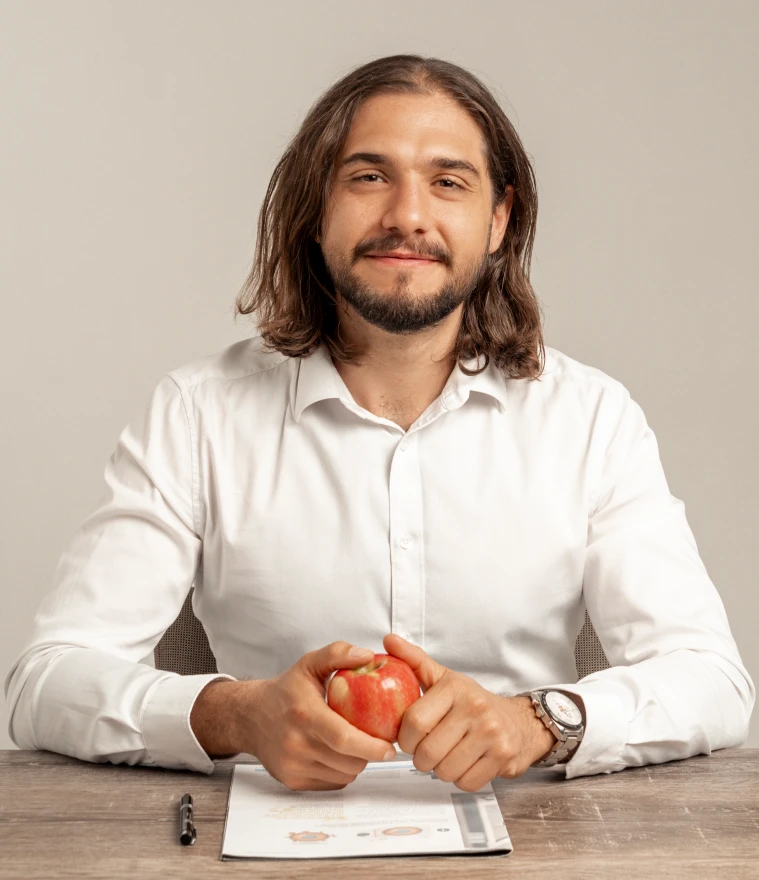
Dr. Georgios Mavropalias
PHD — Lead Author
PhD in Exercise Physiology. Clinical oncology background. Specialist in lifestyle medicine for prostate cancer across the full treatment spectrum.
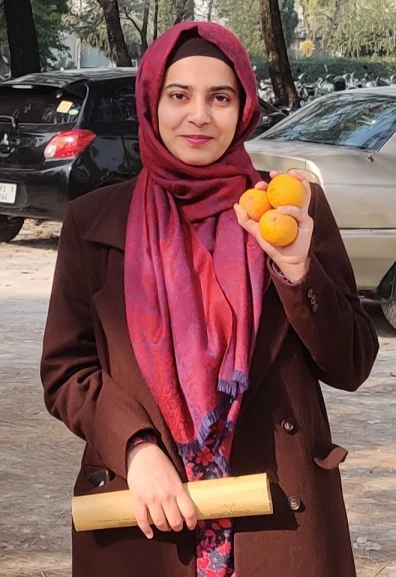
Foraya Gul
Clinical Dietitian, MSc
Clinical dietitian specializing in weight management, metabolic health, personalized nutrition planning, and evidence-based dietary interventions, with research experience in community nutrition and gut health.
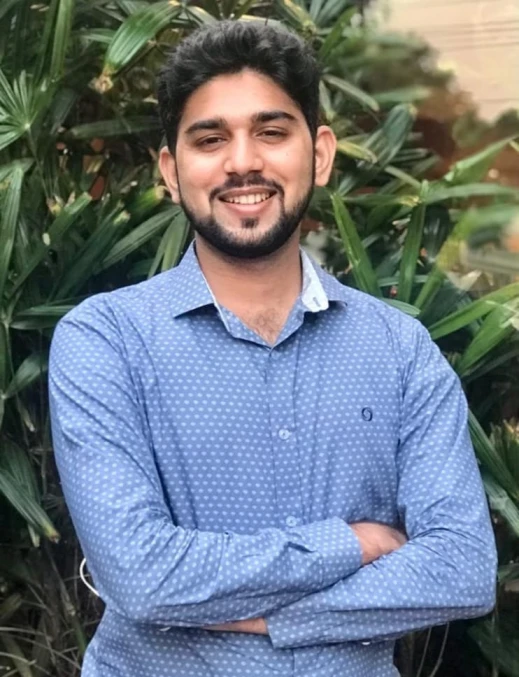
Faheem Mustafa
Dietitian, PhD Scholar
Dietitian and PhD researcher specializing in evidence-based nutrition, intermittent fasting, cognitive health, personalized meal planning, recipe development, and nutrition-focused scientific writing.
Enroll today
The most complete prostate cancer nutrition resource available.
At a founding price that closes soon.
Instant digital access. Start today. No subscriptions. No recurring charges. Ever.
Reclaim Your Health
The Ultimate Prostate Cancer Nutrition Guide — Dr. Georgios & Team
$297 $197
- 24 evidence-based chapters on prostate cancer nutrition
- 4 recipe collections developed by clinical dietitians
- Complete 2-week meal plan — ready to follow today
- 200+ peer-reviewed research studies cited and explained
- Dedicated supplement chapters for different treatments
- Food lists, cooking guides, and meal-building frameworks
- Lifetime access including all future updates
Questions
What men ask before they enroll.
None at all. The course builds from first principles (calories, macronutrients, plate construction) before moving into the clinical detail. Men who have never tracked a meal and men who already eat carefully both get substantial, specific value from this course.
It is the most detailed prostate-cancer-on-ADT nutrition resource available. Hormone therapy changes your body composition, metabolism, bone density, and energy in ways that demand a precise nutritional response. That response is mapped in full across multiple chapters.
Yes. The dietary patterns associated with reduced prostate cancer recurrence risk are fully covered. This is one of the most important uses of this course: giving post-treatment men a clear, research-backed nutritional strategy to protect the ground they’ve recovered.
No. The course was built on one non-negotiable principle: the best dietary change is one you sustain. Multiple recipes were developed by clinical dietitians to be genuinely satisfying. The meal plan was built for real life. You will not be eating like a patient. You will be eating like a man who has taken his health seriously.
Generic cancer nutrition resources are not built for prostate cancer. This course is prostate-specific at every level: the research, the food choices, the supplement guidance, the cooking techniques, and the meal plan. It covers the gut-prostate axis, methionine restriction, anti-angiogenic protocols, and hormone-disrupting chemicals in ways that no patient-facing resource has done before.
No, and it makes no such claim. This course is designed to complement your medical treatment with the clinical nutrition knowledge that your treatment team does not have time to provide. You should always discuss significant dietary changes with your physician or oncologist, particularly if you are on medication.
This is your decision
Your cancer is not waiting. Your nutrition shouldn't either.
The research is settled. The meals are built. The knowledge is ready. The only question is whether you act on it today or keep leaving the most powerful tool in your recovery completely unused.
© 2026 Dr. Georgios · drgeorgios.com
This guide is for educational purposes only and does not constitute medical advice. Always consult your physician or oncologist before making significant changes to your diet, particularly during active cancer treatment. Dr. Georgios (PhD) is not a medical doctor. He is a research scientist and health coach with a PhD in exercise physiology. Content was developed in collaboration with two clinical dietitians. Individual results vary and are not guaranteed.