Hormone therapy can keep prostate cancer under control. But while it is doing that, it can also start tearing down your body.
Muscle starts slipping away. Strength starts dropping. Fat creeps up. You feel softer, weaker, older, more tired, less solid.
A lot of men feel this happening and think their body just has to accept it. A study (and I) says otherwise.
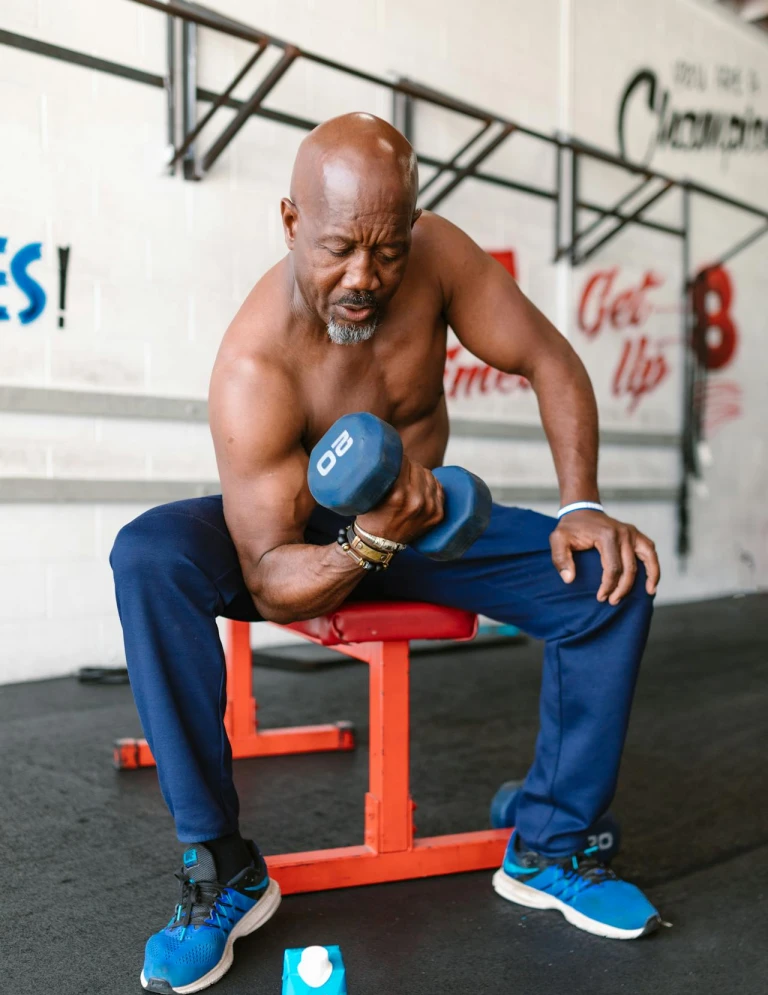
The researchers looked at men with prostate cancer on androgen deprivation therapy (449 in total) and compared them with healthy older men. They conducted a meta-analysis, meaning they pulled together randomized controlled trials where the men did proper heavy resistance training in a gym, usually two to three times per week, with loads heavy enough to truly challenge the muscles.
They wanted to answer the question: “Can a man on ADT still respond to heavy lifting even without testosterone?”
The answer is yes, he still can.
Here’s what important: Healthy older men gained more lean mass from training. The men on ADT did not build muscle in the same way. Their average lean mass increase was small.
That sounds disappointing until you see what happened in the control group.
The older men (without prostate cancer and not on ADT) gained 1.2 kg of lean mass from lifting.
The men on ADT who trained gained an average of 0.2 kg of lean mass.
The men on ADT who did not train lost 0.6 kg of lean mass.
That means the training created a 0.8 kg swing in lean mass in favor of the men who lifted. So yeah you can actually build muscle with no testosterone. But the real value of resistance training during ADT may not be dramatic muscle growth. The real value was that it stopped hormone therapy from dragging their muscle mass down.
If ADT is trying to pull your body backward, holding your ground is not a small result, it’s a huge a victory.
Also, strength improved a LOT.
For lower-body strength, the men on ADT who trained improved their max strength by +20.6 kg. The control group improved by only by +1.8 kg (probably learning effect or they may have started exercising too).
That is a gap of 18.8 kg. It also means the training group improved by roughly 11 times more than the control group in lower-body strength.
For upper-body strength, the training group improved by +6.0 kg, while the control group changed by -0.1 kg.
You see, your body can still adapt. Your muscles can still respond. Your nervous system can still get stronger. Your legs can still become more powerful.
Even though men on ADT may not see the same kind of muscle gain as healthy men with normal testosterone, but they can still get very real benefits from heavy resistance training. They can preserve more lean mass. They can get stronger. They can fight back against the physical decline that too many men assume is unavoidable.
But here’s where it gets interesting:
When I was conducting a study at the university, the results unfortunately never got published because the study ran out of funding (here’s the clinical trial registration for those who are interested). But in that study, I used a specialized form of resistance exercise that is low effort yet extremely potent for building muscle, and I was able to increase muscle mass in men with prostate cancer on ADT by about +2 kg while decreasing body fat percentage. The person conducting the scan told me they never seen such a massive increase in muscle mass in the last 20 years they have been working with men with prostate cancer.
During ADT, preserving muscle is not always the ceiling. With the right program, it can be possible to actually build muscle too. That is why I do not rely on generic exercise advice with my clients. I use more specialized resistance training strategies designed to do more than simply slow the damage. The goal is to preserve muscle where needed, build it where possible, and keep men far stronger and more physically capable during treatment.
If you want more free evidence-based lifestyle strategies for dealing with prostate cancer, my newsletter has that.
However, if you want to not waste any more time and want to start building muscle and strength even on ADT, let’s work together. I’ve worked with many men with prostate cancer helping them turn their health and life around through lifestyle changes.
A great way to start is by joining my Prostate Cancer Health Coaching and Support Group. Apart from a plan and structure that will keep you consistent, you will regularly touch base in a group with other men with prostate cancer using their lifestyle as a medicine, who will give you support, camaraderie, and push you forward. You do not have to handle it by yourself.
Or for direct help and someone to check in with, I also do 1-on-1 coaching (and you also get access to the group). I help men with prostate cancer put together exercise and nutrition plans that fit their situation, like the diagnosis, past treatments, side effects, any injuries, their schedule, energy levels, and everything else life throws at them. And most importantly, I help them find strategies to use their lifestyle as a medicine consistently.
Other articles you may find interesting
This workout turns your blood into a therapy for prostate cancer
Researchers found that just a single workout could transform men’s own blood into a therapy that fights prostate cancer.
THIS exercise can prevent bone metastasis in prostate cancer
Research shows that one form of exercise delays skeletal metastasis, reduces tumors, preserves bones, and leaves some bones with no detectable tumor.
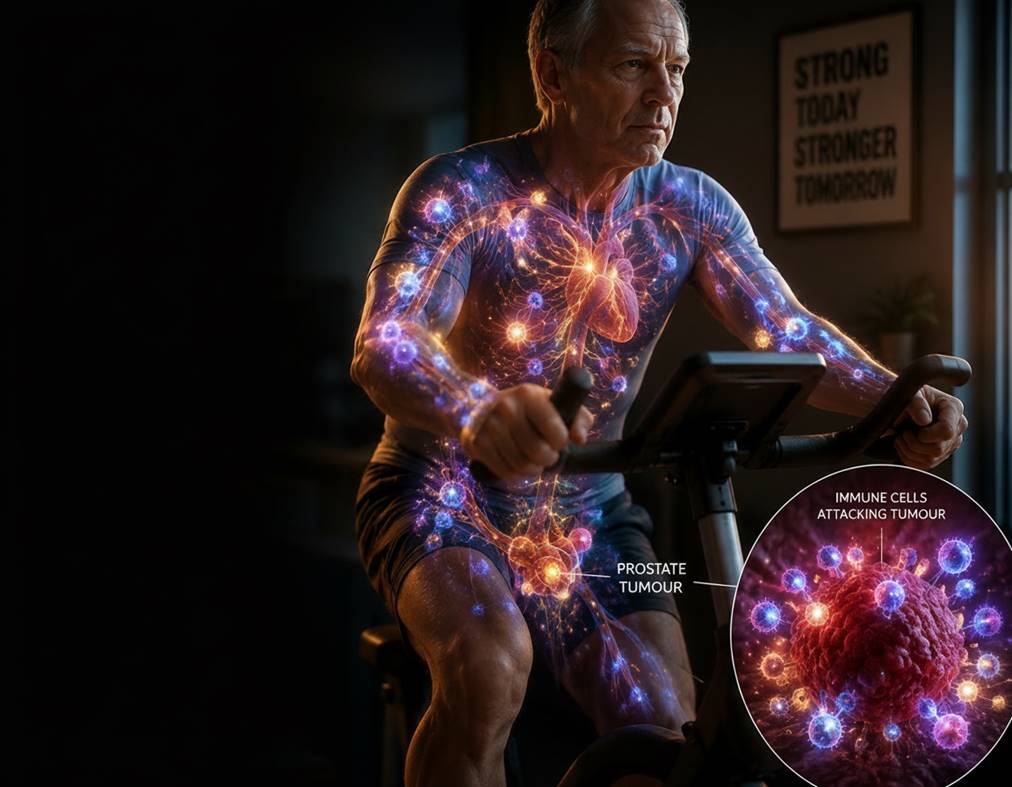
How to activate the prostate cancer fighter already inside your body
A strange change inside prostate tumors has caught researchers’ attention. It was not found in a new drug, supplement, or diet.
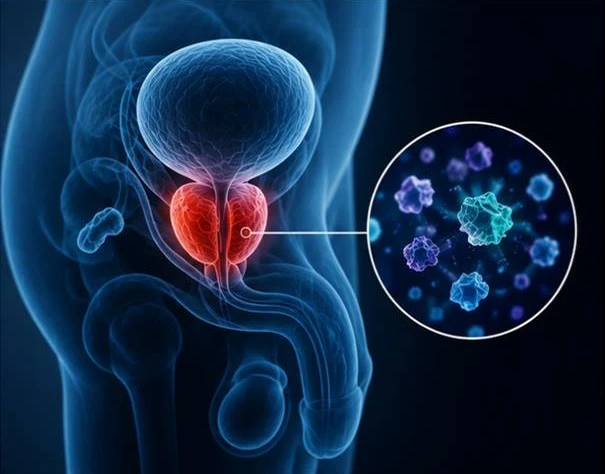
The household habit that fuels your prostate cancer without you knowing
Every man is exposed to it daily without knowing. Scientists are now asking whether it is silently fueling prostate cancer. Find out what it is before your next meal.
References
Nilsen TS, Johansen SH, Thorsen L, Fairman CM, Wisløff T, Raastad T. Does Androgen Deprivation for Prostate Cancer Affect Normal Adaptation to Resistance Exercise? Int J Environ Res Public Health. 2022 Mar 23;19(7):3820.